
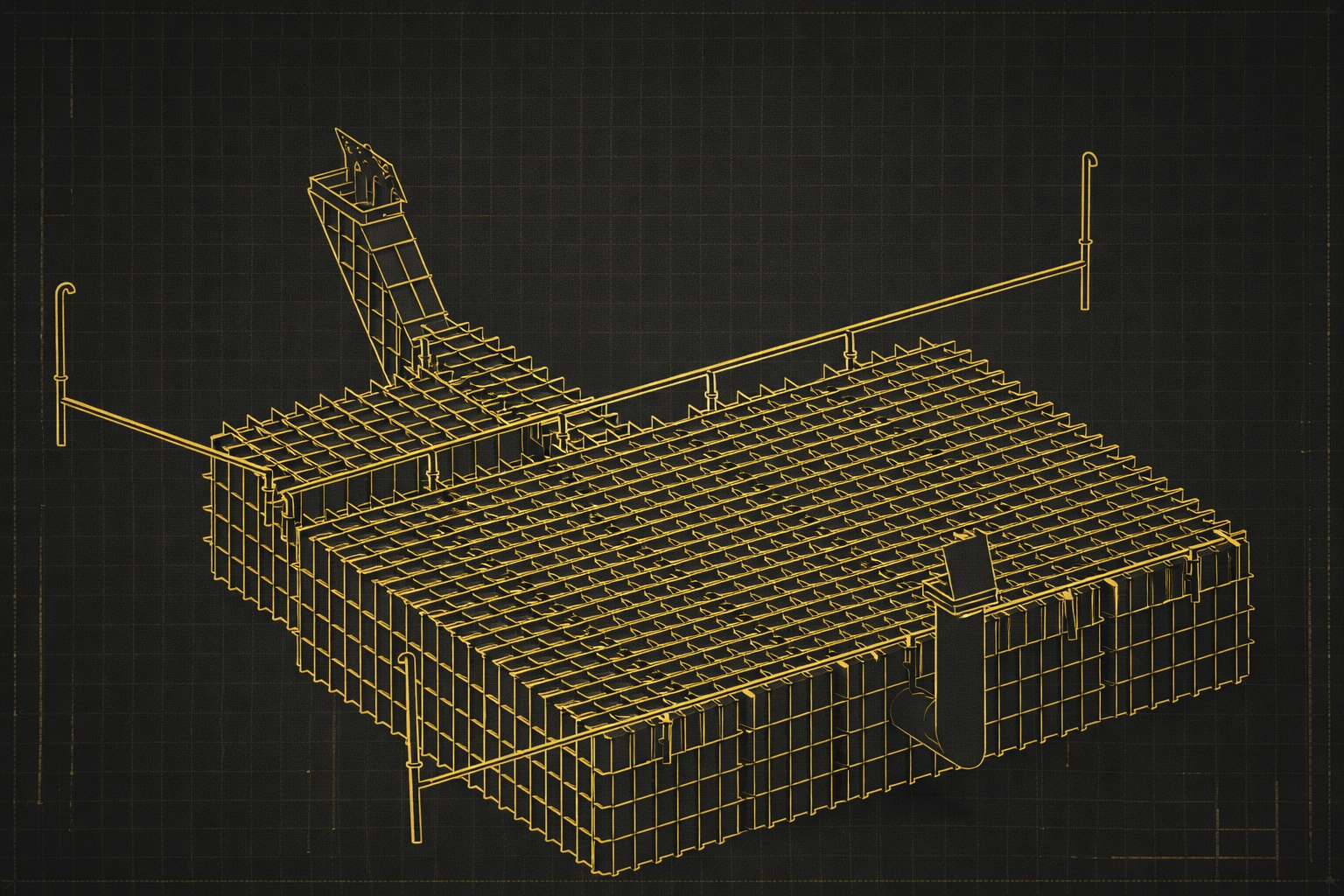
JAYTRA TITAN-12
Structural Series
- Capacity8–12 Persons
- StructureReinforced modular steel
- ProtectionBlast resistant shell
- Survival30–90 days
- ApplicationPrivate estates
Engineering Solutions
A full underground bunker on a private estate isn’t the right answer for an apartment in Mumbai. A panic room built into a villa isn’t enough for a farmhouse. We work across all three — the scale and approach depends entirely on your property.
Solution Category 01
Underground Bunkers for Private Estates, Farmhouses & Large Properties
For properties with land and depth to build properly underground. Full shelters with their own air, water, power, and waste systems — designed to house 4 to 20 people for months, not hours, without depending on anything outside.
Every estate bunker is a custom project. We calculate for your actual soil, your actual water table, your actual property layout. There are no standard models here — only what works for your site.
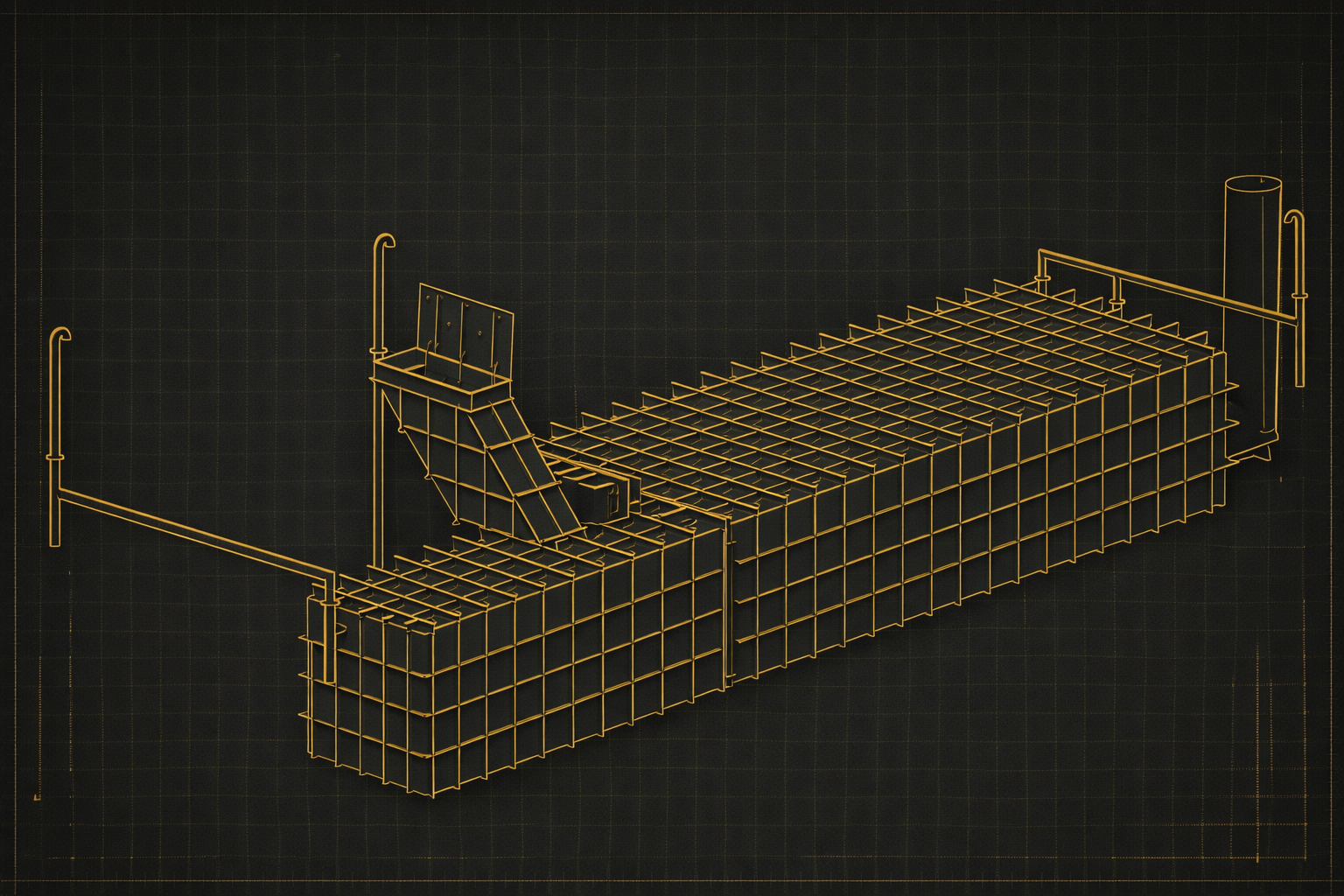
High-grade steel, transverse lattice beams, site-specific load calculations
NBC multi-stage filtration, positive pressure, overpressure blast valves
Solar + generator + battery bank, EMP-shielded switchgear
Water purification, waste management, long-term food storage
Designed for Indian estates: Engineered for Indian soil types (black cotton, laterite, alluvial, Deccan rock), monsoon water table variance (3–5m), and seismic zones II–V. Projects across farmhouses in Chattarpur, villas in Alibaug, estates in Coonoor, and hill properties in Kasauli.
Estate-level projects begin with a confidential security assessment. We evaluate your property, soil conditions, and threat profile to recommend the appropriate engineering configuration.
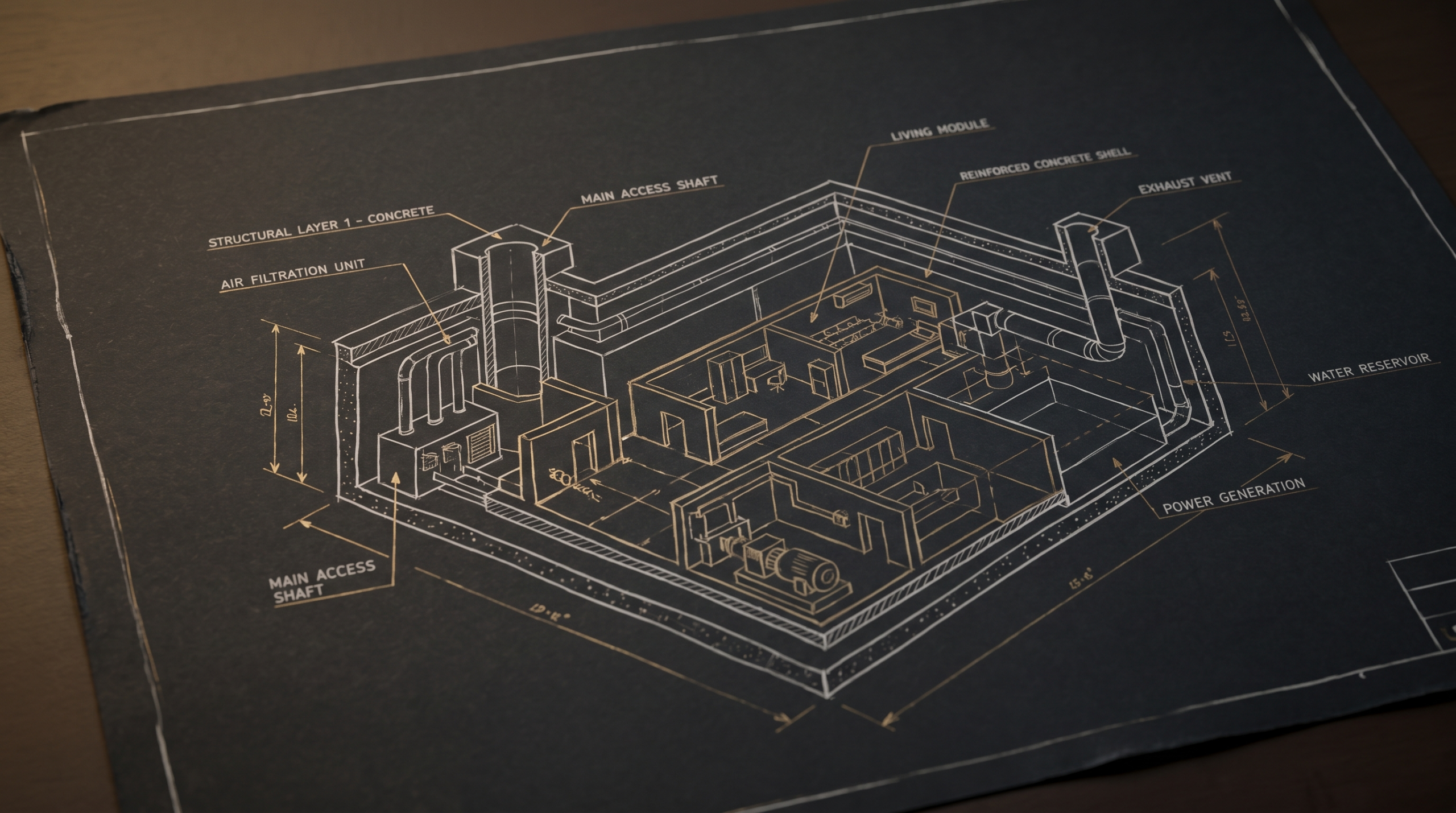
Representative engineering visual. Project specifications shared during confidential assessment.

Representative engineering visual. Project-specific configurations discussed during assessment.
Solution Category 02
Safe Rooms, Panic Rooms & Fortified Spaces for Existing Properties
Most urban homes can’t fit a full bunker — but they can have a safe room. We build reinforced, concealed spaces inside existing villas, penthouses, and apartments. From the outside, they look like any other room. Inside, they’re designed to keep a family safe for hours or days.
These aren’t bolt-on kits. Each safe room is designed around your existing structure, integrated into your floor plan so it doesn’t feel like a bunker — with its own air supply, hardened communications, and independent power.
Designed for Indian residences: Engineered for Indian construction methods — RCC column-beam structures, brick infill walls, and typical Indian floor layouts. Compatible with villas in Gurgaon, penthouses in Mumbai, and apartment configurations across Bangalore, Hyderabad, and Chennai.
Villa solutions begin with a confidential vulnerability assessment. We evaluate your existing property structure and recommend the appropriate protection configuration.
Solution Category 03
CBRN Air Filtration, Blast Protection, Life Support & Power Systems
Sometimes you don’t need a full shelter — you need a specific system. A CBRN air filter for a basement. A blast door for an existing strongroom. Off-grid power for a farmhouse. We install individual protection systems on their own, using the same defence-grade components we’d use in a full bunker build.
These systems can be added to an existing basement or strongroom, or built into a new home from the design stage.
Multi-stage NBC filtration — pre-filter, HEPA 0.3μm, activated carbon
Reinforced protective entry systems with pressure resistance
Solar + generator + battery redundancy, EMP-shielded switchgear
UV and carbon purification, sealed waste management systems
EMP-shielded voice, data, and emergency communications
HVAC, humidity control, temperature regulation for sealed environments
Integrated systems begin with an infrastructure assessment. We evaluate your existing space and recommend the appropriate subsystem configuration.
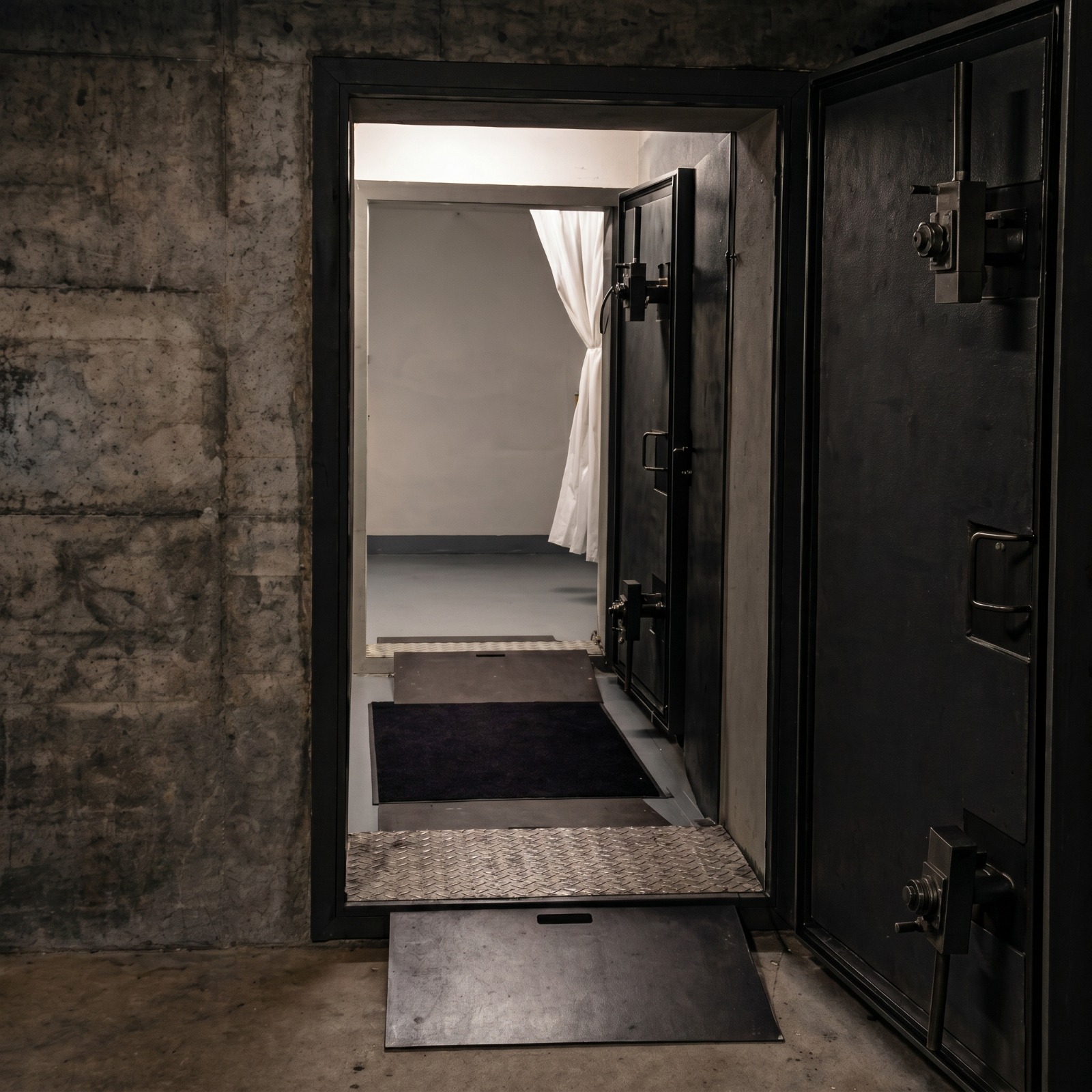
Representative engineering visual. System specifications shared during assessment.
Three Starting Points
These aren’t off-the-shelf products. They’re three engineering starting points — configurations we know work — which we adapt to your specific property, soil, and family. Everything final is locked in during your consultation.
Structural Series
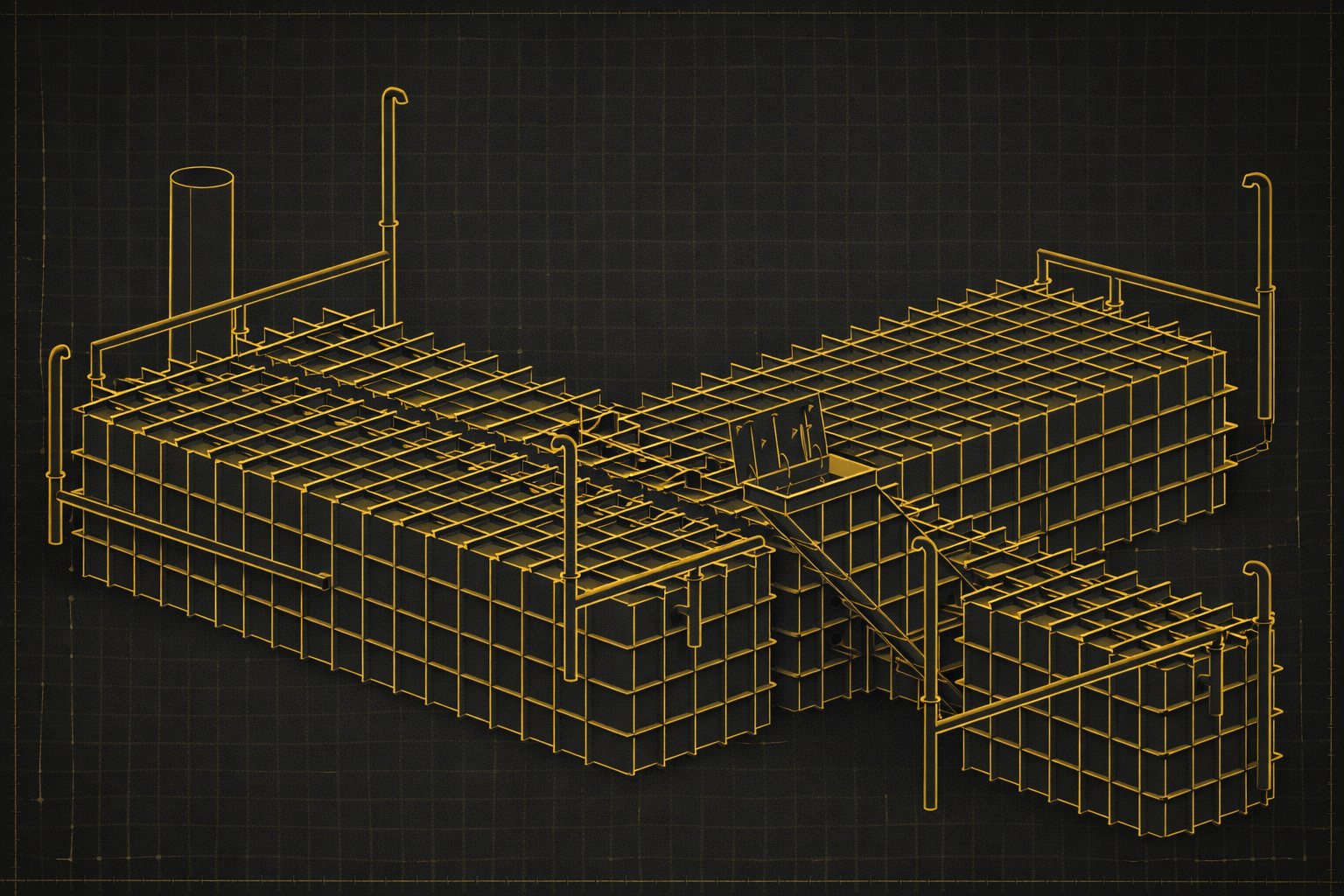
Modular Series
Core Series
Compare Solutions
This comparison provides general guidance. Your confidential security assessment determines the precise recommendation and final engineering direction for your property.
| Parameter | Estate-Level | Villa & Residence | Integrated Systems |
|---|---|---|---|
| Primary Application | Farmhouses, estates | Villas, apartments, penthouses | Any hardened or existing space |
| Protection Type | Full underground bunker | Concealed safe room | Subsystem installation |
| Occupancy | 4–20+ persons | 2–8 persons | Varies by system |
| Autonomy | 100–300+ days | 4–72 hours | System dependent |
| CBRN Protection | Full NBC rated | Air supply only | Full NBC available |
| Blast Protection | Nuclear + conventional | Ballistic rated | Available standalone |
| Power Independence | Triple redundant | Battery backup | Full off-grid available |
| Property Requirement | Land + depth clearance | Any existing property | Any existing space |
| Retrofit Feasibility | New build recommended | Fully retrofit capable | Fully retrofit capable |
| Installation Timeline | 16–20 weeks | 6–12 weeks | 4–10 weeks |
| Engineering Phase | 4–8 weeks | 2–4 weeks | 2–4 weeks |
Exact specifications, timelines, and configurations are determined during your confidential assessment.
Begin the Conversation
A 60-minute call with our founder. NDA signed before anything is discussed. We listen, ask questions, and work out what makes sense for your property. No quotes, no pressure. If it moves forward, a written feasibility note follows within 10 working days.